Panoramic art prints
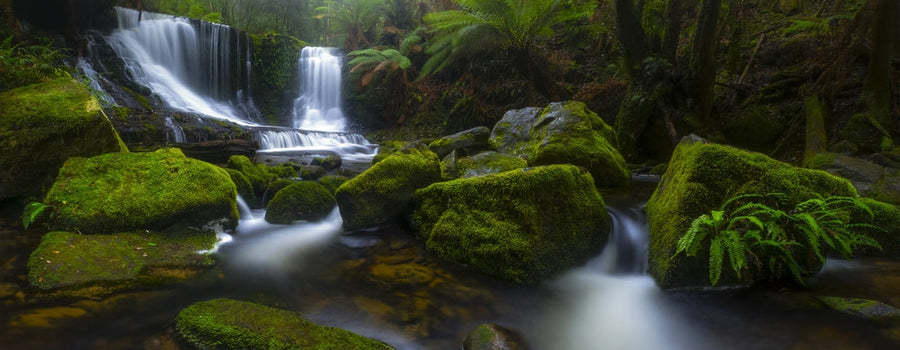
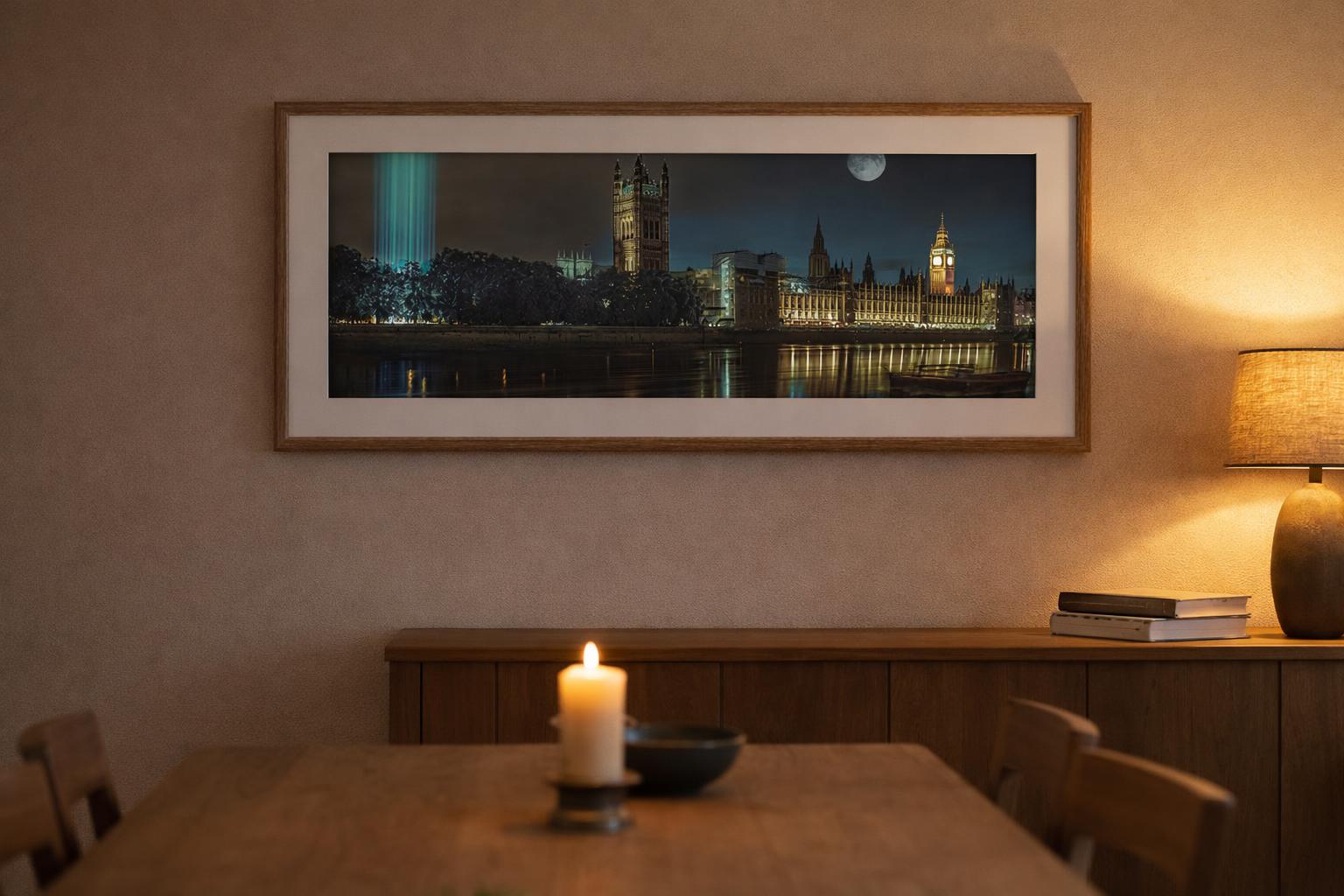
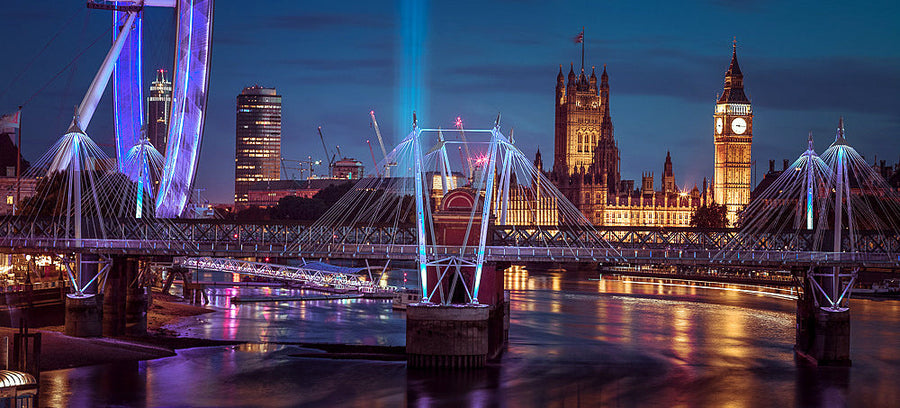
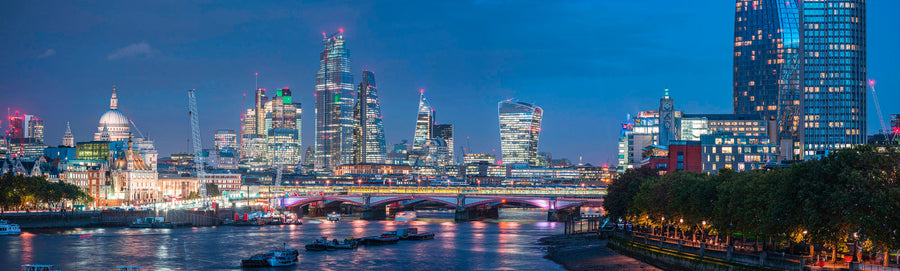
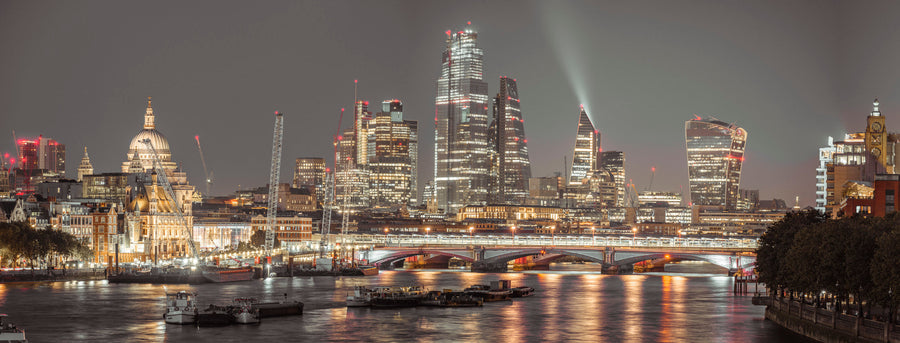
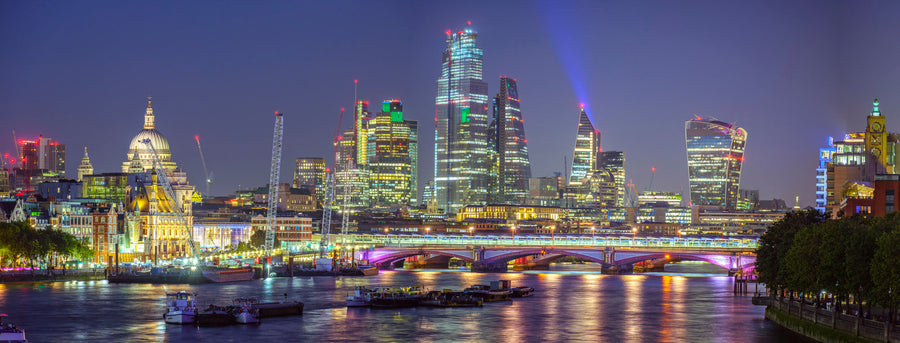
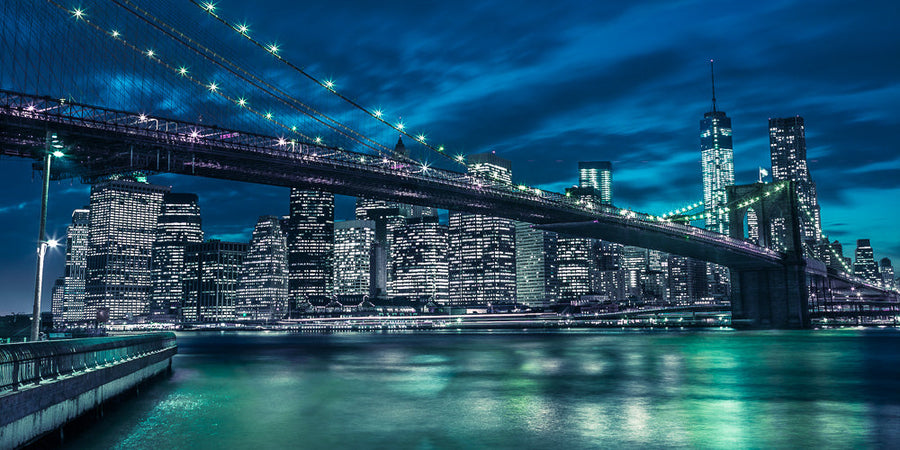
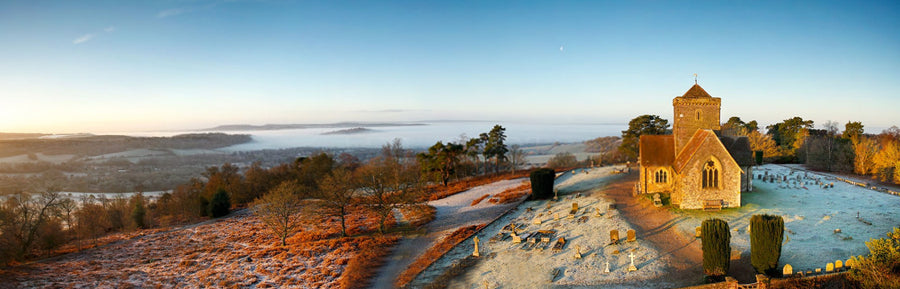
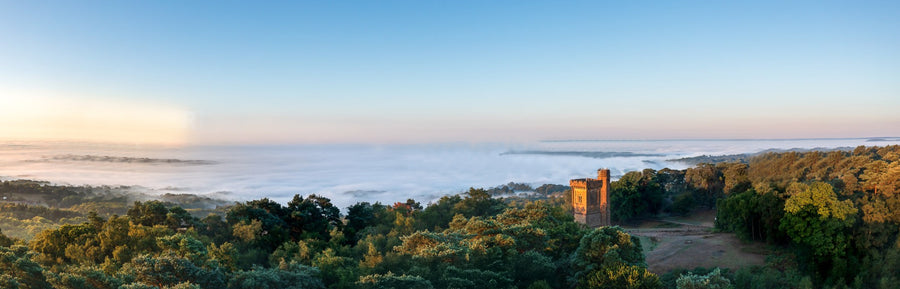
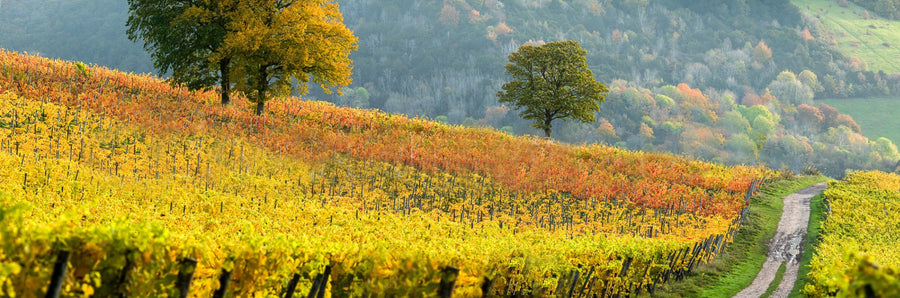
44 worksLong, narrow prints, more than twice as wide as they are tall. Most hang wide: Assaf Frank's night panoramas of London and New York, John Miller's Surrey Hills at sunrise, and still lakes and fjords from Scotland, Norway, New Zealand and beyond. Four tall, slim Alphonse Mucha posters turn the format on its end, for alcoves, chimney breasts and the narrow wall beside a door.
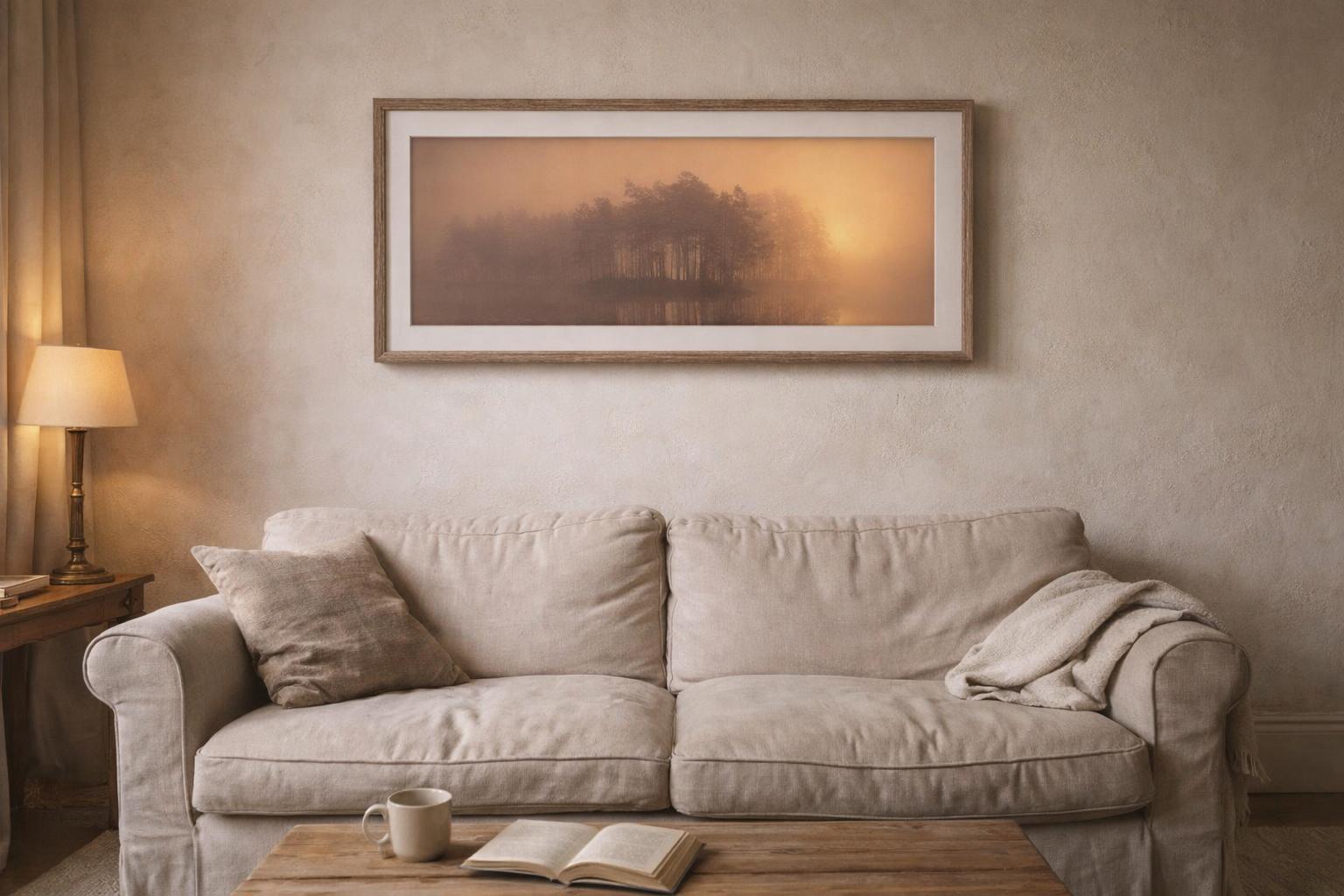
A panoramic print fills width without height. That is why it suits the wall above a sofa, a bed or a sideboard, where a large square print would crowd the ceiling. Every work is an archival giclée, hand-framed to order in the UK.
Try a title or artist — searches this whole collection.
















Loading scenes…
No room scenes in this collection yet.
No works match “”. Try another title, or .
Nothing on this page matches that mood or colour. Try another, or browse the matching hub.
Nothing matches this filter on this page yet.